


A lot of buyers ask this question right after they fall in love with the idea of morning coffee by the Caribbean and before they wire a single dollar: is buying property in Mexico safe? The honest answer is yes, it can be very safe – but not because you crossed your fingers and hoped for the best. It is safe when the transaction is handled correctly, the property is vetted properly, and you work with professionals who know the local market instead of relying on margarita-fueled optimism.
That distinction matters.
Mexico is not a one-size-fits-all real estate market, and it definitely does not work exactly like the U.S. or Canada. In places like Puerto Morelos, where lifestyle buyers are looking for second homes, retirement spots, or a place to escape winter forever, the opportunity is real. So is the need for guidance. This is not the kind of purchase where you want to freestyle your way through legal paperwork because a guy on Facebook said a deal looked great.
So, is buying property in Mexico safe for foreigners?
Yes, foreigners buy property in Mexico every day, including in high-demand coastal areas. The process is well established, and there are legal structures that allow non-Mexican buyers to purchase in restricted zones near the coast. For most foreign buyers, that means using a bank trust called a fideicomiso, or in some cases buying through a Mexican corporation if the intended use fits that structure.
What makes people nervous is not that foreigners cannot buy. It is that the process feels unfamiliar. You may be used to a centralized MLS, standardized contracts, title insurance on every deal, and a transaction system that looks the same from one town to the next. In Mexico, the experience is more local, more relationship-driven, and more dependent on who is guiding you.
That is why some buyers hear horror stories while others have a smooth closing and wonder what all the fuss was about. The difference is usually not luck. It is due diligence.
What actually makes a property purchase safe in Mexico
A safe purchase comes down to verification. Before money changes hands, you want to know that the seller has the legal right to sell, that the property is properly titled, that there are no liens or unresolved issues, and that the contract terms are clear. You also want the closing process handled through the proper channels, including a notario publico, who plays a formal legal role in Mexican real estate transactions.
This is one of the biggest mindset shifts for foreign buyers. In Mexico, the notario is not just a stamp-and-sign person. A notario is a highly trained legal official who helps formalize the transaction, verify documentation, and record the deed. That said, the notario is not your personal advisor. You still need your own representation and legal review, especially if you are buying from abroad or navigating a pre-construction purchase.
A safe deal also depends on whether the property itself has been thoroughly checked. Is the square footage accurate? Are permits in order? Are HOA rules what you think they are? Is beachfront really beachfront, or just close enough to hear the ocean if your neighbor is quiet? These are not minor details. They shape value, usability, and risk.
Where buyers get into trouble
Most bad experiences do not happen because Mexico is inherently unsafe to buy in. They happen because buyers move too fast, trust the wrong person, or assume the system works like home.
One common problem is relying on unverified listings. In many parts of Mexico, there is no formal MLS with universal standards. That means duplicate listings, outdated listings, and listings with incomplete information are all part of the landscape. If a property seems suspiciously cheap, there is usually a reason, and no, it is probably not because the seller woke up feeling generous.
Another issue is skipping professional help to save money. Buyers sometimes think they can negotiate directly, use a generic contract, and sort out the details later. That is a risky game anywhere, but especially in an international market where language, legal structures, and local customs all matter.
Then there is ejido land, which deserves a plain-English mention. Ejido land is communal agricultural land, and it can carry serious restrictions and complications for foreign buyers. Some ejido land can be regularized and converted, but that process is not simple and should never be assumed. If a property involves ejido status, you need expert legal review before doing anything else.
Is buying property in Mexico safe in beach towns like Puerto Morelos?
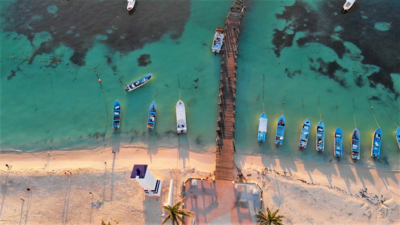
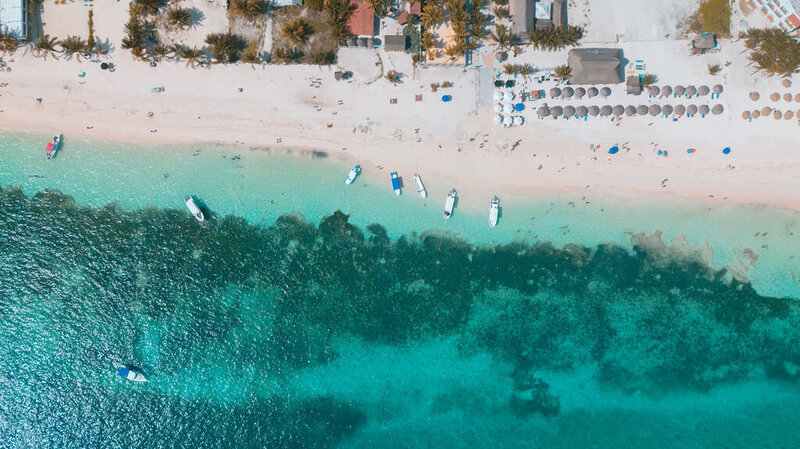
In established beach communities, buying can be very safe when you focus on the right areas, the right properties, and the right team. Puerto Morelos is a good example. It is not just a pretty beach town with good tacos and a slower heartbeat. It is also a market where local knowledge makes a huge difference.
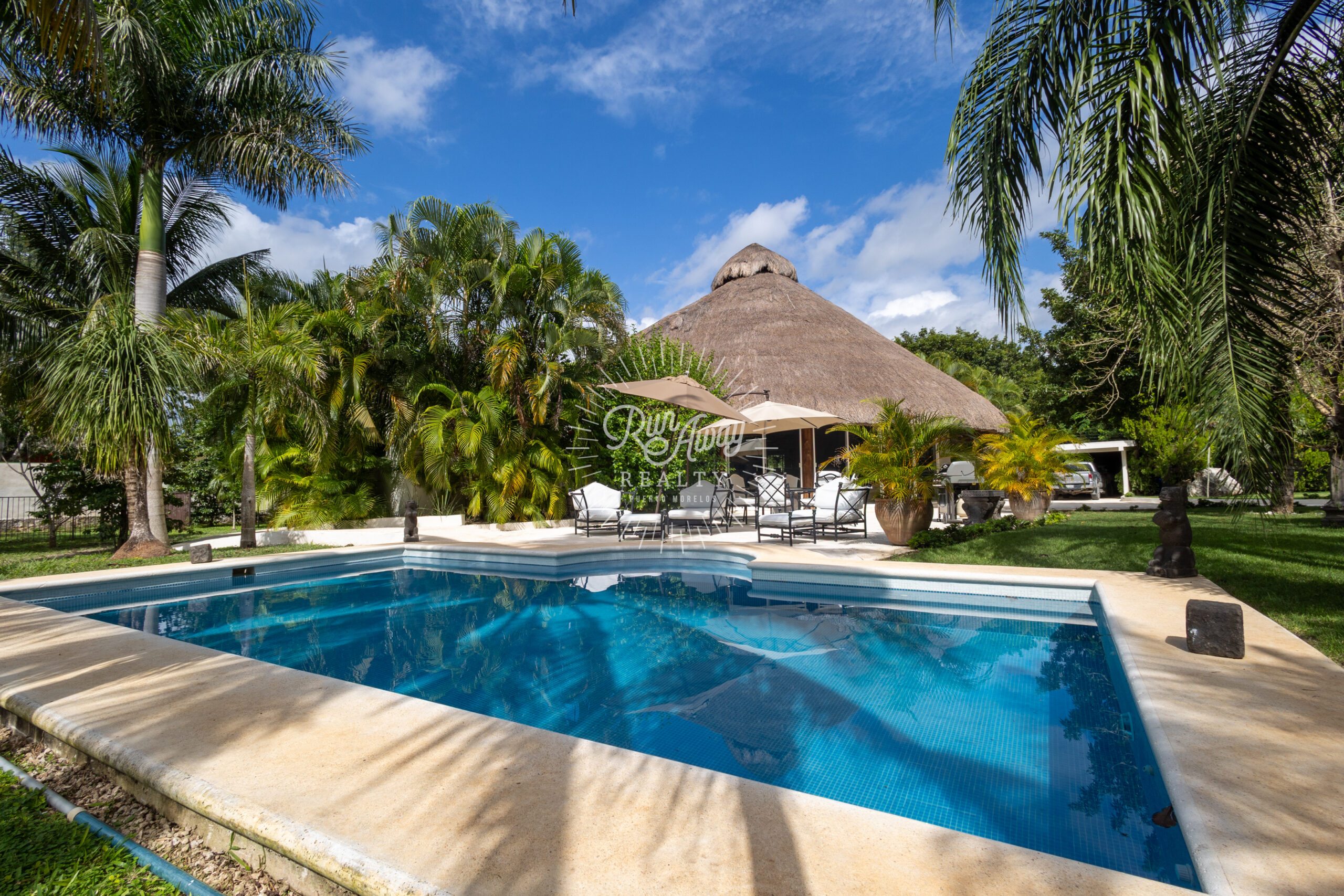
Neighborhood-by-neighborhood context matters. Some buyers want a turnkey condo near the beach. Others want a home in a residential area where they can actually settle in, know their neighbors, and walk to dinner without turning life into a resort brochure. The safety of the transaction often starts with choosing a property type and location that match your goals, budget, and tolerance for complexity.
For example, a completed resale condo in a well-run building usually presents a different risk profile than a pre-sale development promising rooftop bliss and future appreciation. That does not make pre-sale bad. It just means the questions are different. You need to evaluate the developer, construction timeline, contract language, payment schedule, and what protections exist if the project is delayed.
The professionals you want in your corner
If you want your purchase to feel exciting instead of nerve-wracking, build the right team early. That usually includes a trusted local real estate advisor, a qualified real estate attorney, the notario handling the closing, and often a bank for the fideicomiso if the property is in the restricted zone.
Your real estate advisor should do more than open doors. They should help vet listings, explain pricing, flag red flags, negotiate terms, and connect you with reputable legal and closing professionals. In a relationship-driven market, this matters more than people expect.
Your attorney should review the legal structure, contracts, title history, and supporting documents. If anything is unclear, this is the person who helps protect you before the problem becomes expensive.
And yes, who you choose matters. A lot.
Not all agents are equally experienced. Not all attorneys regularly work with foreign buyers. Not all sellers are organized. The safer your purchase feels, the less likely you are to be piecing together advice from five different Facebook groups and your cousin’s neighbor who once bought a condo in Cabo.
Smart questions to ask before you buy
The safest buyers are not the most fearless. They are the most informed.
Ask how the seller holds title. Ask whether there are liens, unpaid taxes, or HOA debts. Ask whether the property is in a restricted zone and what ownership structure will be used. Ask to see permits, condominium documents, and utility records where relevant. If it is pre-construction, ask what has already been built, what escrow or payment protections exist, and what happens if delivery is delayed.
You should also ask practical lifestyle questions, because a property can be legally sound and still wrong for you. Does the area flood? Is it walkable year-round? How loud is it in high season? What are the monthly carrying costs? A safe purchase is not just legally safe. It is financially and personally sustainable.
The emotional side of buying abroad
Part of what makes this question so loaded is that people are not just buying square footage. They are buying a future version of themselves. Less stress. More sunshine. A morning swim before emails. A fresh start that maybe comes with better fruit and stronger margaritas.
That dream is worth protecting.
The best buying experiences happen when excitement and caution travel together. You do not need to be paranoid, and you do not need to assume every story online is a warning sign. But you do need a process. Buying in Mexico should feel joyful, not reckless.
For English-speaking buyers looking at Puerto Morelos, that often means leaning on local professionals who know the market street by street, building by building, and seller by seller. At Run Away Realty, that is exactly how we approach it – people before pesos, education before pressure, and a lot less guesswork.
So, is buying property in Mexico safe? Yes, with the right structure, the right verification, and the right support, it absolutely can be. The goal is not to avoid the dream. It is to buy it wisely, so the only surprise after closing is how quickly Puerto Morelos starts to feel like home.